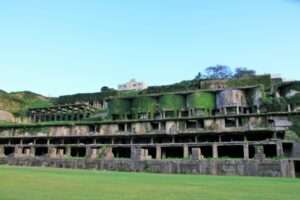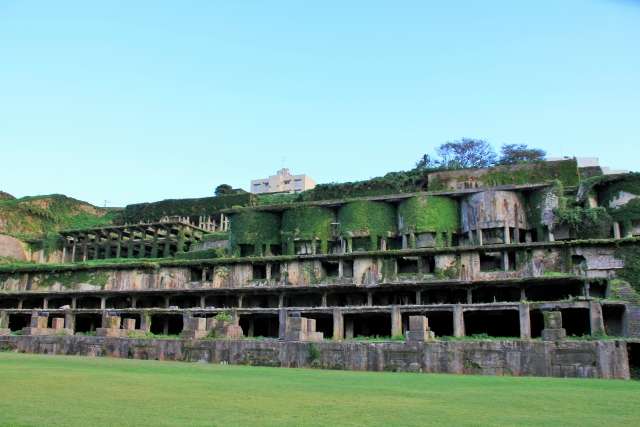
The Sado Gold Mine is the name of a gold mine located on Sado Island in Niigata Prefecture, and it was inscribed as a World Heritage Site (Cultural Heritage) in July 2024. We will provide a detailed overview of the Sado Gold Mine and its value as a World Heritage Site. We sincerely hope this information will help you plan your trip and make your journey even more fulfilling.
『7食付き!紅ズワイガニ1杯・握り寿司・佐渡牛も 食の宝島!とことん佐渡グルメ紀行 3日間』・【食事】佐渡の味覚が満載!
・【観光】佐渡の魅力が詰まった3日間へご案内!
・【宿泊】温泉宿に楽々2連泊!
この記事を書いた人:kaz-travel
全世界を旅することを目的に、2026年9月現在で66ヵ国(通過しただけの国も含む)を旅するサラリーマントラベラーです。kaz-travelは、「忙しいサラリーマンでも、最大限に世界を旅する方法」を実体験(体験したい)に基づき発信するトラベルサイトです。2016年〜2020年には中国に駐在。
このサイトでは、世界一周航空券の具体的な活用術から、旅先でのトラブル対策、そして特に力を入れている「詳細な世界遺産訪問ガイド」まで、あなたの旅を豊かに、そして安全にするためのノウハウをお届けします。
Overview of the Sado Gold Mine and Its Value as a World Heritage Site
The Sado Gold Mine, located in the central part of Sado Island in Sado City, Niigata Prefecture, is one of Japan’s most famous gold and silver mines. It was inscribed on the World Heritage List in 2024.
Basic Information as a World Heritage Site
| Name | Sado Gold Mine |
|---|---|
| Year of Registration | 2024 |
| Registration Criteria | (4):It is an outstanding example of a type of building, a group of buildings, a collection of technologies, or a landscape that illustrates a significant period in human history. |
| Components | Nishimikawa Sand Gold Mine: The Nishimikawa Sand Gold Mine is a mine where placer gold was extracted; it is mentioned in the 12th-century Konjaku Monogatari Shū as Sado Island’s oldest gold-producing site. Aikawa Tsuruko Gold and Silver Mine – Aikawa Gold and Silver Mine: The Aikawa Tsuruko Gold and Silver Mine was a mine where gold and silver were extracted from hard rock (ore) known as a vein deposit. Aikawa Tsuruko Gold and Silver Mine – Tsuruko Silver Mine: Mining at the Tsuruko Silver Mine began in the mid-16th century. Like the Nishimikawa Sand Gold Mine, operations became fully established by the late 16th century, and the foundations for the entire process—from mining and ore dressing to smelting—were solidified. |
The History of Mining and the Golden Age
The history of the Sado Gold Mine dates back centuries; there are records of gold panning as early as the Heian period, but full-scale development began in the late 16th to early 17th centuries. In particular, the Aikawa Gold and Silver Mine, developed during the Keichō era (1596–1615), became the center of gold and silver production in Japan and ushered in a golden age.
- Edo Period: In 1601 (Keichō 6), Tokugawa Ieyasu established the Sado Magistrate’s Office, making Sado a direct territory of the Edo Shogunate. The abundant gold and silver produced at the Sado Gold Mine enriched the shogunate’s finances and contributed significantly to the establishment and stability of the Tokugawa regime. At its peak in the early 17th century, it is said that approximately 400 kg of gold was produced annually, accounting for a significant proportion of global gold production at the time. The total length of the hand-dug tunnels reached 400 km, extending deep underground.
- Modernization after the Meiji Era: Following the Meiji Restoration, the Sado Gold Mine began its path toward modernization. It came under direct government control, and the introduction of advanced Western technology and machinery led to a dramatic improvement in the efficiency of mining and smelting. With the use of steam engines and dynamite, as well as the introduction of large-scale mining machinery, it became a symbol of modern Japan’s industrialization.
- Decline and the Present: By the Showa era, gold production gradually declined. Although output increased during World War II, operations ceased in 1989 due to the depletion of resources. However, its historical value has been rediscovered, and it now stands as a tourist attraction and a candidate for World Heritage status.
The Unique Mining Techniques of the “Sado Aikawa Gold and Silver Mine”
The mining operations at the Sado Gold Mine are particularly noteworthy for the uniqueness of their techniques.
- Large-scale Hand-Dug Tunnels: Throughout the Edo period, tunnels excavated solely by human labor stretched for a total length of approximately 400 kilometers, forming a complex network deep underground. This scale is unparalleled anywhere in the world, demonstrating the advanced civil engineering techniques of the time and the astonishing labor of the miners who worked under harsh conditions.
- Wari-mabu: This term refers to tunnels dug strictly vertically or diagonally along natural ore veins. To navigate the complex geology where ore veins ran irregularly, skilled craftsmen relied on their intuition and experience to proceed.
- Drainage Technology: As mining progressed deeper underground, spring water became a major problem. At the Sado Gold Mine, advanced drainage techniques were developed, including the use of buckets and pumps operated by “mizukae” laborers—a state-of-the-art technology at the time—and the construction of drainage channels known as “ōhi.” These innovations made deep underground mining possible and contributed to maintaining production levels.
- Smelting Techniques: Unique smelting techniques were also developed to separate gold and silver from the mined ore. In particular, an advanced smelting method known as the “ash-blowing method” was employed, enabling the efficient production of high-purity gold and silver.
- Division of Labor: A wide range of tasks—including tunnel excavation, ore transport, drainage, and smelting—were carried out through an efficient division of labor, functioning as a single, massive industrial system.
Highlights of the Sado Gold Mine
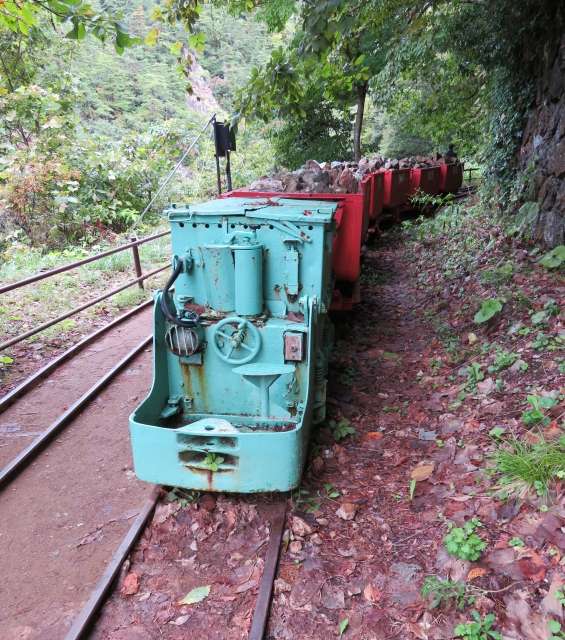
The Sado Gold Mine (Sado Gold Mine Historic Site) is a unique tourist attraction where visitors can experience its magnificent history of mining and the techniques used. By exploring the main highlights, visitors can gain a deep understanding of the history of gold mining in Japan and the lives of the people involved.
Sodayu Mine
This is one of the most famous tour tunnels at the Sado Gold Mine, featuring a recreation of mining scenes from the early Edo period. Excavated during the Keicho era (1596–1615), this tunnel offers a realistic glimpse into the hand-digging techniques of the time and the harsh working conditions.
- Edo Gold Mine Picture Scroll Course: Inside the tunnel, approximately 20 intricate motorized figures recreate the mining operations of the time, and the work process is introduced via an audio guide (available in Japanese, English, Chinese, and Korean).
- Gold-Digging Miners: The figures of miners using chisels and pickaxes to dig through hard bedrock are recreated, illuminated by the light of their lamps. Observing this painstaking work gives visitors a real sense of just how arduous mining was in those days.
- Water-Pumping Laborers: The process of drawing water that gushed from deep underground using primitive pumps such as water wheels and buckets is recreated. This was one of the most difficult tasks for sustaining mining operations at the time, and the presence of these water-pumping laborers was essential to the gold mine’s production.
- Inspection of Excavation (Kengiri Aratame): The process of inspecting whether the excavated tunnels were dug according to specifications is also recreated, offering a glimpse into the strict management system enforced by the Edo Shogunate.
- Features: This course offers significant historical value, providing a concrete understanding of Edo-period hand-mining techniques, the labor of people working in harsh conditions, and the management system of the gold mine. The temperature inside the tunnels remains cool at around 10°C year-round, so you will need a light jacket even in summer.
- Duration: Approximately 30–40 minutes.
Doyu’s Warito
As an iconic landmark of the Sado Gold Mine, this is a place often seen in photographs and other media. It features a unique topography where the mountaintop appears to be split wide open in a massive V-shape.
- Formation Process: This was created when a massive gold vein, once exposed at the surface, was excavated from above using open-pit mining, causing the mountain to be deeply carved out. Mining began in the early Edo period, and after the Meiji era, modern mining techniques (such as dynamite) were introduced, allowing mining to proceed deeper underground.
- Scale: With a width of approximately 30 meters and a depth reaching about 74 meters, its sheer scale speaks to the magnitude of mining at the Sado Gold Mine, the technology that supported it, and the culmination of the people’s efforts.
- Tour: Toward the end of the Doyu Mine tour course, you can go right up to the base of this “Doyu no Warido.” Viewing it up close is a truly awe-inspiring experience, allowing you to feel the history of the gold mine firsthand.
- Connection to the Doyu Mine Course: Doyu Mine is a modern tunnel excavated beneath this fissure. By viewing both together, you can gain a deeper understanding of the evolution of mining technology and the history of the gold mine’s development.
Historic Site: Sado Gold Mine, Kogane-kan
This museum provides an easy-to-understand explanation of the history of the Sado Gold Mine—from mining and smelting to the process of turning gold into currency—using models, videos, and actual artifacts. Visiting here in conjunction with a tour of the mine tunnels will give you a deeper understanding of the gold mine as a whole.
- Sado Gold Mine Picture Scroll: This exhibit recreates the entire process—from mining to smelting and the production of gold coins—during the Sado Gold Mine’s heyday (the Edo period) using approximately 500 motorized figures and a precise 1/10-scale diorama. You can instantly grasp the mine’s vitality at the time, the lives of the people, and the complex work processes.
- Pure Gold Bar Experience: This popular photo spot allows visitors to physically lift a life-size replica of a pure gold bar worth over 100 million yen at current market prices. The sheer weight of the bar helps visitors truly appreciate the rarity and value of gold.
- Sado Koban Exhibition: Rare Sado Koban gold coins and Ichibukin coins minted on Sado Island during the Edo period are on display, offering a glimpse into the significant role the gold mine played in Japan’s finances.
- Explanation of Mining and Smelting Techniques: Detailed explanatory panels and models of mining tools and smelting methods from various eras allow visitors to learn about the evolution of these technologies.
- Estimated Visit Time: Approximately 30–60 minutes.
Mine Tunnels and Mining Tools
“Mine tunnels” refer to the underground passages dug to extract gold and silver ore. At the Sado Gold Mine, countless mine tunnels—with a total length of approximately 400 km—were laid out in a grid-like pattern.
- Recreation Inside the Tunnels: Along the tour routes in the Sōdayū and Dōyū tunnels, hand-mining tools used by miners of that era—such as chisels and hammers—have been recreated. You can imagine the grueling work of digging forward in these dark, narrow tunnels, relying only on a faint light.
- Symbols of Modernization: Starting in the Meiji era, the Doyu Mine introduced modern mining tools such as steam engines, dynamite, and rock drills, enabling large-scale mining operations that would have been impossible with manual labor alone. By viewing exhibits of these tools, the mine car tracks, and the remains of the large-scale ore processing plant, visitors can gain a concrete understanding of the evolution of mining technology.
Oma-bu
At the Sado Gold Mine, the term “Oma-bu” refers to a general category of large-scale tunnels that served as primary mining and drainage routes. The Sōdayū and Dōyū tunnels, which are now open to the public as part of the tourist route, were once part of these “Oma-bu.”
- Features: These Oomabu tunnels did more than simply extract ore; they also served vital functions such as ventilation, drainage, and transportation to enable work deep underground. They are a testament to the advanced mining technology of the time and the wisdom and hard work of the people who made it possible.
- Experience: Walking the tour route allows you to experience the vast scale of these tunnels and the unique atmosphere created by the paths leading deep underground.
Tour Routes Inside the Mine Tunnels
At the Sado Gold Mine Historic Site, two tour routes are available, each focusing on a different historical era, allowing visitors to efficiently learn about the multifaceted history of the Sado Gold Mine. (*Please note that changes, such as the consolidation of these courses, may occur after April 2025. We recommend checking the official website for the latest information before your visit.)
- Sotayu Mine Course (Edo-Period Gold Mine Picture Scroll Course):
- Theme: A realistic recreation of hand-mining techniques from the Edo period and the lives of miners at that time.
- Features: Motorized figures installed within the mine tunnels recreate mining with chisels and pickaxes, the struggle against spring water (water drainage work), and the harsh working conditions. This course is ideal for gaining a deep understanding of the historical context.
- Doyu Mine Course (Modernization Course from the Meiji Period Onward):
- Theme: Modernized mining techniques from the Meiji era onward and scenes of dynamite mining.
- Features: Experience the changes brought about by the introduction of Western technology, witness mining operations using large machinery, and venture right up to the base of “Doyu no Warido,” the symbol of the Sado Gold Mine. You can truly appreciate its value as a Japanese industrial heritage site.
Through these tours of the mine tunnels, you will gain a deep visual and auditory understanding of the technical, historical, and cultural value of the Sado Gold Mine.
The History and Culture of the Sado Gold Mine
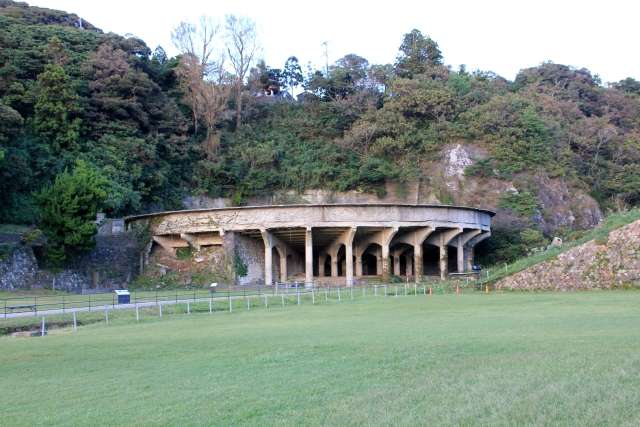
The Sado Gold Mine was not merely a mine; it was a pivotal institution that profoundly influenced Japan’s politics, economy, and culture. Its history and the culture born from the lives of the people who sustained the mine have shaped the unique charm of Sado Island.
A Gold Mine Directly Administered by the Edo Shogunate
Full-scale development of the Sado Gold Mine began in the late Sengoku period, but its importance grew significantly in the early Edo period, starting with the era of Tokugawa Ieyasu’s unification of the country.
- Shogunate Control: In 1601 (Keichō 6), the Sado Magistrate’s Office was established, and the Sado Gold Mine became a direct shogunate domain (tenryō). This signifies that the mine was an extremely important pillar supporting the shogunate’s financial foundation.
- A Financial Lifeline: The gold and silver produced at the Sado Gold Mine enriched the shogunate’s vast finances. Particularly during its peak in the first half of the 17th century, it is said that as much as 400 kg of gold was produced annually, accounting for a significant proportion of global gold production at the time. This enabled the shogunate to undertake major projects such as the unification of the country, the construction of castles, and the minting of currency.
- Strict Control: The shogunate appointed a Sado Magistrate to strictly oversee every aspect of the mine, from mining and smelting to the transportation of gold and silver. The mined gold and silver were transported to Edo and minted into coins such as koban and ichibukin. This demonstrates that the Sado Gold Mine played a central role in the economic system of Japan at the time.
Modernization Since the Meiji Era
Moving away from the manual mining methods of the Edo period, the Sado Gold Mine rapidly modernized upon entering the Meiji era.
- Government Direct Management and the Introduction of Western Technology: As part of Japan’s policy to enrich the nation and strengthen the military, the Meiji government took direct control of the Sado Gold Mine and actively introduced advanced Western mining technologies. Numerous engineers and machines were brought in from countries such as Germany and the United Kingdom to improve the efficiency of mining and smelting operations.
- Steam Engines and Dynamite: At the mining sites, steam-powered drainage pumps, hoists, and dynamite were introduced, enabling large-scale mining operations that would have been impossible with manual labor alone.
- Modern Smelting Technology: The smelting plant was equipped with the latest smelting furnaces and ore-processing machinery, allowing for more efficient and large-scale recovery of gold and silver.
- Scaling Up and Increased Efficiency: Through modernization, the Sado Gold Mine was able to mine deeper and over a wider area, resulting in a dramatic increase in productivity. This is one of the examples symbolizing Japan’s rapid industrialization after the Meiji era and contributed to the formation of the industrial infrastructure that supported Japan’s modernization.
- The End: Mining output began to decline in the Showa era, and operations ceased in 1989 due to the depletion of resources. However, the facilities and technologies developed during this modernization process have been preserved to this day as valuable industrial heritage.
The Lives and Culture of the People Who Supported the Gold Mine
The Sado Gold Mine gave rise to “Aikawa,” a major city that attracted a diverse array of people from across the country—not only miners (such as tunnel diggers, shaft diggers, and water-carriers) but also smelting engineers, magistrates, merchants, and artisans.
- The Prosperity of Aikawa: As the center of the gold mine, the town of Aikawa had a population that exceeded 50,000 at its peak, boasting a bustle rivaling that of Edo and Osaka. The gathering of people from various professions gave rise to a unique economic sphere and culture.
- Harsh Labor and Faith: Mining deep underground was extremely grueling, and many miners lost their lives. It is said that, living on the brink of death, they sought solace in their faith in gods and Buddhas, as well as in entertainment such as sake and song.
- Cultural Exchange: As people gathered from all over the country, they brought their regional cultures with them. These cultures interacted and blended, giving rise to a unique culture specific to Sado. This influence can be seen in the local cuisine, festivals, and traditional performing arts.
- The Role of Women: It was not only men who supported the gold mine. Women also played indispensable roles in the mine’s operations, such as ore sorting and transporting daily necessities.
The Traditional Performing Art “Sado Okesa” and the Gold Mine
“Sado Okesa,” the folk song that represents Sado Island, is deeply connected to the Sado Gold Mine.
- Origins: It is said that “Sado Okesa” traces its roots to the “Haiya-bushi” from Kumamoto Prefecture. This song was brought to Sado Island by sailors on Kitamae ships, passed down among the miners working at the gold mine, and evolved over time with the addition of lyrics and melodies unique to Sado.
- Work Songs and Bon Odori: Beloved as work songs sung during breaks from grueling labor and as songs for Bon Odori dances, they became a source of comfort and enjoyment for the miners. Some lyrics depict the conditions at the gold mine and express the feelings of miners working far from home.
- Spread Across the Nation: After the Meiji era, as the Sado Gold Mine modernized, many people visited Sado, helping to spread the Sado Okesa throughout the country. Today, it is widely recognized as one of Japan’s representative folk songs.
- Cultural Heritage: The Sado Okesa is an important cultural heritage of Sado Island, imbued with the history and emotions of the people who supported the gold mine. By learning about its background while touring the gold mine, visitors can gain a deeper appreciation of Sado’s culture.
・【食事】佐渡の味覚が満載!
・【観光】佐渡の魅力が詰まった3日間へご案内!
・【宿泊】温泉宿に楽々2連泊!
How to Get to Sado Gold Mine
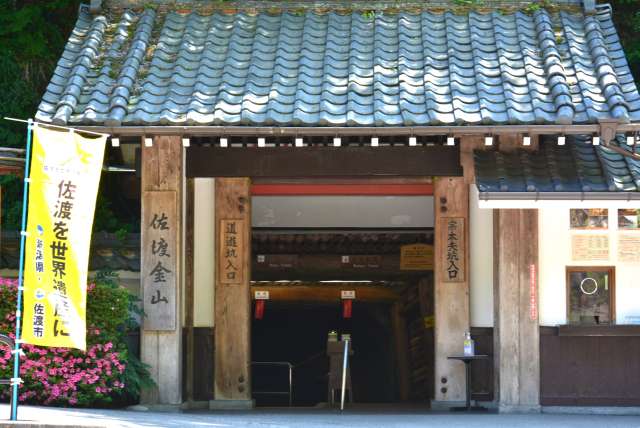
Since the Sado Gold Mine is located on Sado Island, you’ll first need to travel to the island.
- From Tokyo to Niigata
Shinkansen: Take the Joetsu Shinkansen from Tokyo Station to Niigata Station (approx. 2 hours).
Express Bus: Express buses bound for Niigata depart from Tokyo Station and Shinjuku Station. The journey takes about 5–6 hours. - From Niigata to Sado Island
Ferry: Ferries operate from Niigata Port to Ryotsu Port on Sado Island.
The ferry ride takes about 2 hours and 30 minutes, while the high-speed boat takes about 1 hour. - From Ryotsu Port to Sado Gold Mine
By car: It takes about 1 hour by
By bus: Take a bus from Ryotsu Port to Sawada Bus Terminal, then transfer to a bus bound for Aikawa and get off at Sado Gold Mine.
Nearest Airports and Ports
- Nearest Airport:
- There are currently no airports on Sado Island with scheduled flights. The nearest airport is Niigata Airport (KIJ) on the mainland.
- From Niigata Airport, take a bus or taxi to Niigata Port, and from there, take a ferry or jetfoil to Sado Island.
- Ports of Access to Sado Island:
- Niigata Port (Niigata City): Ferries and jetfoils bound for Ryotsu Port on Sado Island depart and arrive here.
- Jetfoil (High-Speed Boat): Travel time is approximately 1 hour and 5 minutes. It is fast and comfortable, but service may be suspended if the waves are high.
- Car Ferry: Travel time is approximately 2 hours and 30 minutes. Vehicles can be loaded, allowing for a relaxed journey.
- Naoetsu Port (Joetsu City): Car ferries to Ogi Port on Sado Island depart and arrive here.
- Car Ferry: Travel time is approximately 2 hours and 40 minutes.
- Niigata Port (Niigata City): Ferries and jetfoils bound for Ryotsu Port on Sado Island depart and arrive here.
Main Access Routes: In most cases, travelers fly from Niigata Airport to Niigata Port and then take a jetfoil or ferry to Sado Island (Ryotsu Port).
How to Travel on Sado Kisen on a Budget
Here are some options for traveling on Sado Kisen at a lower cost.
- Sado Maru Club: A program for supporters of Sado Island; registration is free. Members receive discounts on Sado Kisen ferry fares, as well as discounts at participating stores, car rentals, and taxis on the island.
- You must reserve your tickets through the Sado Tourism Exchange Organization.
- Round-trip reservations are required.
- You must apply at least 3 business days prior to your boarding date.
- Sado Venture! Ticket Package: A travel package combining Sado experiences with Sado Kisen ferry tickets.
- When using round-trip jetfoil service, you may receive a discount of up to 30%.
- Available only for online applications and credit card payments.
- Sado Romance Journey / Sado Hot Spring Journey: These are travel packages that combine round-trip ferry fares with accommodation.
- The Sado Romance Journey is available from April to November, and the Sado Hot Spring Journey is available from December to March.
- When using the Sado Hot Spring Journey, you receive a discount on passenger car transport fees.
- Island Resident Discount: Residents of Sado City can use Sado Kisen at discounted fares.
- This offer is available to those registered as residents of Sado City.
- A Sado City Resident Service Card is required.
- Online Booking & Specific Route Discounts: Sado Kisen offers special discounts on passenger car fares exclusively for online bookings and on specific routes.
Getting Around the Island
Sado Island is quite large, so securing a means of transportation is essential.
- Rental Cars:
- This is the most recommended way to get around. A rental car is the most convenient option for efficiently visiting not only the Sado Gold Mine but also other tourist spots on the island (such as Shukunegi, the Tarai-bune, and Ōnogame). There are rental car companies located around Ryōtsu Port and Sado Airport (the old airport). Advance reservations are essential, especially during the tourist season.
- Public Buses:
- Public buses run from the main port (Ryotsu Port) and the center of Sado City toward Sado Gold Mine (Aikawa District). Since the number of buses is limited, you should check the schedule in advance and plan your trip accordingly.
- You can also use these buses to visit tourist spots around Sado Gold Mine, such as the historic streets of Aikawa.
- Sightseeing Buses/Scheduled Sightseeing Tours:
- Scheduled sightseeing buses that efficiently tour the island’s major attractions may be available. Sado Gold Mine is often included in these routes.
- This option is recommended for those who do not wish to drive a rental car themselves or for those prioritizing efficiency.
- Sightseeing Taxis:
- These are convenient if you want to make the most of your time or visit specific spots precisely. While the fare is higher, the driver may also serve as a guide.
- Rental Bicycles:
- These are suitable for exploring limited areas, such as the Aikawa district. However, since the distance from Sado Gold Mine to other tourist spots is considerable, they are not ideal for traveling over a wide area.
Travel Tips: If your main goal is to visit the Sado Gold Mine and you also want to explore other tourist attractions on the island, renting a car at Ryotsu Port is the most convenient and efficient option. If you plan to use the bus, be sure to check the schedule carefully in advance and make a detailed plan that takes transfers and other factors into account.

Given its rich history and abundance of attractions, Sado Gold Mine offers a variety of ways to enjoy your visit depending on how much time you have.
Half-Day In-Depth Tour (approx. 2–3 hours)
This tour focuses on Sado Gold Mine, allowing you to thoroughly explore the main mine tunnels and the museum.
- Morning/Afternoon:
- Arrival at Sado Gold Mine Historic Site: First, purchase your ticket at the reception desk.
- Tour of the Sōdayū Shaft (Edo-Period Gold Mine Picture Scroll Course): Take your time exploring the hand-dug tunnels from the Edo period and the mining scenes of that era, recreated with motorized figures. Approx. 30–40 minutes.
- Tour of the Dōyū Shaft (Modernization Course from the Meiji Period Onward): View the modernized mining tunnels from the Meiji period onward and admire the “Dōyū no Warido”—the symbol of Sado Gold Mine—up close. Approx. 30–40 minutes.
- Visit the Sado Gold Mine Historical Site and Kogane-kan Museum: Delve into exhibits on the history, technology, and gold of the mine. Don’t forget to try your hand at shaping a pure gold bar. Approx. 30–60 minutes.
- Purchase souvenirs: Buy Sado Gold Mine-exclusive souvenirs and other items at the gift shop.
- Depart from Sado Gold Mine
・The temperature inside the mine remains around 10°C year-round, so be sure to bring a light jacket even in the summer.
・If you have time to spare, you can revisit exhibits that caught your interest or take your time browsing the gift shop.
One-Day Tour Combining Local Sightseeing (Approx. 5–7 hours)
In addition to touring the Sado Gold Mine, this tour allows you to experience the historic streetscape and culture of the Aikawa district, which is closely associated with the mine.
- Morning:
- Arrival and Tour of the Sado Gold Mine Historic Site: As with the “Half-Day In-Depth Tour,” take your time exploring the Sōdayū Shaft, Doyū Shaft, and Kogane-kan. Approx. 2–3 hours.
- Lunch:
- Lunch at a restaurant in the Aikawa district. Enjoy Sado’s fresh seafood and local cuisine.
- Afternoon:
- Tour of the Sado Magistrate’s Office Ruins: Visit the site of the Edo Shogunate’s administrative office that oversaw the gold mine and explore what was once the center of politics and administration. The restored buildings are a must-see. Approx. 30–60 minutes.
- Stroll through Aikawa’s historic streets: Take a walk through the historic streets of Aikawa, which prospered thanks to the gold mine. Stroll along the charming streets while searching for traces of the past, when magistrates and miners lived here. Old shops, workshops, temples, and shrines are scattered throughout the area.
- Stroll through charming spots such as Aikawa Kyomachi Street.
- Evening: Depart from the Sado Gold Mine and Aikawa area and head to your accommodation or other destination.
・The Aikawa area has many hills and narrow streets, so be sure to wear comfortable walking shoes.
・While public transportation (buses) is available, service is limited, so renting a car is more convenient.
Tips for a Sado Island Circuit Tour
This is a circuit tour lasting two or more days that starts at the Sado Gold Mine and allows you to experience the charms of the entire island.
- Day 1 (Gold Mine & Aikawa Area):
- After arriving at Ryotsu Port from Niigata Port, take a rental car to the Sado Gold Mine.
- Just like the “One-Day Course Combined with Nearby Sightseeing” mentioned above, take your time exploring Sado Gold Mine and the Aikawa district.
- Spend the night at a lodging facility in the Aikawa district or in Sado City.
- Day 2 and Beyond (To Various Locations on the Island):
- Minami-Sado Area:
- Shukunegi: A unique townscape that flourished as a shipbuilding village. Features a restored model of a Sengoku-class ship.
- Tairi-bune: Experience traditional boat rides on the Ogi Coast.
- East Sado/Ryotsu Area:
- Sado History and Legend Museum: Robots provide commentary on the history and legends of Sado.
- Lake Kamo: The largest lake on Sado Island, known for its thriving oyster farming.
- Northern Sado Area:
- Ono-game: A giant rock jutting out into the Sea of Japan, home to a colony of Tobishima kanzo (early summer).
- Futatsugame: A scenic spot where two rocks connected to the mainland resemble a turtle’s shell.
- Activities: Pottery workshops, gold panning (Sado Nishimikawa Gold Park), sake brewery tours, and more.
- Minami-Sado Area:
・Sado Island is quite large, and getting around by public transportation alone can be limited, so renting a car is the most efficient option.
・Attractions (such as flowers and events) vary by season, so be sure to research in advance.
・When choosing accommodations, select a location that suits your travel plans, such as the area around Ryotsu Port, downtown Sado City, the Aikawa district, or the Ogi district.
Preparations and Precautions for Visiting Sado Gold Mine
To ensure a comfortable and safe visit to Sado Gold Mine, please keep the following points in mind.
Clothing and Essentials
- Clothing:
- The temperature inside the mine tunnels remains around 10°C year-round: Even in summer, a light jacket (long-sleeved shirt, cardigan, hoodie, etc.) is essential. In winter, you will need warm, heavy-duty winter clothing.
- Comfortable Walking Shoes: The mine tunnels and surrounding town streets feature many cobblestone paths, stairs, and slopes. Choose comfortable, non-slip shoes such as sneakers or hiking boots.
- Items to Bring:
- Camera: Be sure to capture the historic sights and beautiful natural scenery.
- Drinks: There are no vending machines or other places to buy drinks during the mine tour, so bring your own as needed.
- Small Change: Cash may be required at some facilities or shops.
- Mask: The mine is humid, and dust may be in the air. If this concerns you, consider wearing a mask.

Advance Reservations and Opening Hours
- Opening Hours: Opening hours and last admission times vary depending on the season and time of year. Hours tend to be shorter during the winter, so be sure to check the official website for the latest information before your visit.
- Admission Tickets: During busy periods (Golden Week, summer vacation, Obon, fall foliage season, etc.), the ticket booths can get crowded. Purchasing tickets online in advance or booking through a travel agency may allow for smoother entry.
- Closed Days: The site is generally open year-round, but it may close temporarily due to inclement weather or facility maintenance, so it is important to check the official website.
Other Information (Accommodations for Seniors and Wheelchair Users, etc.)
- Inside the Tunnels: The tunnels of the Sōdayū and Dōyū shafts generally contain stairs and slopes, and some areas are poorly lit, making it difficult to tour in a wheelchair. You may need to use a cane or require an assistant.
- Inquiries to the Facility: If you require special accommodations—such as for wheelchair users or seniors—we strongly recommend contacting the Sado Gold Mine Management Office in advance. They can provide advice on available facilities, alternative routes, and admission procedures.
- Inquiries to the Facility: If you require special accommodations—such as for wheelchair users or seniors—we strongly recommend contacting the Sado Gold Mine Management Office in advance. They can provide advice on available facilities, alternative routes, and admission procedures.
- Temperature and Humidity: The mine tunnels are damp and cool. Those prone to feeling unwell should take special care.
Sightseeing Spots Around the Sado Gold Mine
The Aikawa district, centered around the Sado Gold Mine, is dotted with attractions deeply connected to the mine’s history.
The Streets of Aikawa
Aikawa, which prospered alongside the Sado Gold Mine, was once Sado’s largest mining town, with a population that once exceeded 50,000. Historical buildings dating from the Edo period to the modern era, as well as cobblestone streets that retain the atmosphere of days gone by, still remain today.
- Highlights:
- Kyomachi Street: This was once home to officials of the Edo-period magistrate’s office and wealthy merchants, and is lined with charming samurai residences and merchant houses. The narrow alleys and stone walls are also worth seeing.
- Mining Housing: The area features sites of former workers’ residences—those who supported the mining operations—as well as houses built on slopes like terraced fields, offering a glimpse into life during that era.
- Temples and Shrines: Many temples and shrines were built alongside the prosperity of the gold mine. It is well worth taking a stroll through this quiet cluster of temples.
- Strolling: After touring the gold mine, take a leisurely walk through the town to experience firsthand the culture and way of life fostered by the mine. Maps available at the tourist information center are a helpful resource.
Site of the Sado Magistrate’s Office
This is the site of the Edo Shogunate’s administrative office, which oversaw the Sado Gold Mine and governed the entire island of Sado. The current buildings have been partially restored based on archaeological excavations.
- Features:
- Restored Buildings: The Bugyosho (Magistrate’s Office) and the Oyakusho-mon (Government Office Gate) have been restored to their original appearance, and visitors can tour the interiors. The magistrate’s office, meeting rooms, and living quarters for officials have been recreated, allowing visitors to experience the administrative hub of that era.
- Historical Role: It played a wide range of roles, including the management of gold and silver produced at the Sado Gold Mine, the governance of Sado Island, and the administration of justice.
- Tour: By learning about the Magisterial Office, which functioned as an integral part of the gold mine, you can understand the strictness of the Edo Shogunate’s management of the gold mine and its financial foundation.
- Duration: Approximately 30–60 minutes.
Other Attractions: Sado’s Nature and Culture
The area surrounding the Aikawa district, home to the Sado Gold Mine, as well as the entire island of Sado, offers numerous attractions linked to the mine’s history, along with Sado’s unique natural beauty and distinctive cultural experiences.
- Sado Woodblock Print Village Museum: Here, you can appreciate the art and culture expressed through woodblock prints, as well as Sado’s landscapes and local customs.
- Mining Ruins in the Ooma District: Here, you can see the remains of more modern gold mine facilities, such as the former ore processing plant and smelter sites.
- Senkaku Bay: Heading north from the Sado Gold Mine, you’ll find a scenic spot featuring sheer cliffs carved by the rough waves of the Sea of Japan. Sightseeing boats are also available.
- Meoto-iwa (Couple Rocks): Two rocks near Senkaku Bay that appear to be a couple standing side by side.
- Sado Museum: A comprehensive museum covering the history, culture, and nature of Sado Island, which also provides a detailed introduction to the history of the gold mine.
- Sado Okesa: A folk song originating from the gold mine. Depending on the season, you may have the opportunity to watch or even try the dance at local events.
By visiting these spots, you can gain a deeper appreciation for the history and culture nurtured by the Sado Gold Mine, as well as the majestic natural beauty of Sado Island.
Planning a Trip to Sado Gold Mine
When planning a trip to Sado Gold Mine, it is important to create the best itinerary based on your mode of transportation, length of stay, and travel style.
Comparing Guided Tours and Independent Travel
Since access to Sado Island is primarily via ferry or jetfoil from the mainland, be sure to consider the time and effort involved in travel.
Pros and Cons of Tours (Group Travel)
- Pros of Tours (Group Travel)
- Convenience: Since transportation (Shinkansen + ferry or plane + ferry), accommodations, travel within Sado Island, and admission tickets to the gold mine are all arranged for you, it significantly reduces the hassle of planning.
- Peace of Mind: There is little worry about navigating unfamiliar areas or making transfers. For travelers from China in particular, tour guides provide support to overcome language barriers.
- Efficient Sightseeing: An experienced tour guide accompanies the group and leads you through major attractions via an efficient route, allowing you to make the most of your time.
- Cost: Overall, it can sometimes be more affordable than arranging everything on your own.
- Disadvantages of Tours (Group Travel)
- Limited Flexibility: Since you must follow a set schedule and route, it can be difficult to sightsee at your own pace or make sudden changes to your plans.
- Crowds: During peak season, you’ll often be traveling with other tour groups, which can lead to crowded conditions.
・【食事】佐渡の味覚が満載!
・【観光】佐渡の魅力が詰まった3日間へご案内!
・【宿泊】温泉宿に楽々2連泊!
Pros and Cons of Independent Travel
- Cons of Independent Travel
- Arrangement Hassle: You must handle all arrangements yourself, including transportation (ferry reservations), accommodations, local transportation on the island (such as renting a car), and admission tickets to tourist attractions.
- Information Gathering: You are responsible for gathering local information, confirming transportation options, overcoming language barriers, and handling emergencies.
- Costs: Even if it seems inexpensive at first glance, unexpected expenses and additional effort may arise.
- Advantages of Independent Travel
- High Degree of Freedom: You can freely set your itinerary, route, and length of stay to suit your interests, physical condition, and budget. It’s also easier to set aside time to visit other attractive spots on the island besides the Sado Gold Mine.
- Flexibility: You can flexibly adjust your plans based on the weather, your physical condition, or local circumstances.
- Deep Immersion: You’ll have more opportunities to interact with locals and gain a deeper understanding of the local culture.
Conclusion
- If you’re visiting Sado Island for the first time, don’t want to spend a lot of time planning your trip, or want to minimize the hassle of getting around, we recommend joining a tour.
- If you’d like to explore the entire island at your own pace or prefer to plan your own itinerary, an independent trip is the better option. We strongly recommend renting a car for getting around the island.
How to Choose Accommodations
Accommodations around the Sado Gold Mine are mainly located in the Aikawa district, where the mine is situated, around Ryotsu Port—where ferries arrive and depart—and scattered throughout various parts of the island.
- Aikawa District (Around the Sado Gold Mine)
- Pros: This area is closest to the Sado Gold Mine, making it convenient if you want to start sightseeing early in the morning or take your time strolling through the historic streets nearby.
- Disadvantages: The selection of accommodations may be more limited compared to the area around Ryotsu Port. There may also be fewer restaurants and other dining options in the evenings.
- How to Choose: This is ideal if your main focus is visiting the gold mine and you want to minimize travel time.
- Around Ryotsu Port (Central Sado City)
- Advantages: As the ferry terminal, this is the most convenient point of access to Sado Island. There is a relatively large concentration of hotels, ryokan, and restaurants here. It serves as a convenient base for exploring the island.
- Disadvantages: It takes about 40–50 minutes by car to reach the Sado Gold Mine.
- How to Choose: Ideal if you prioritize transportation convenience and want to explore a wide range of the island.
- Other Areas (Ogi District, Mano District, etc.)
- Pros: By staying near specific tourist spots—such as the Ogi District, close to the traditional Tarai-bune boat experience and the Shukunegi village, or the nature-rich Mano District—you can enjoy a more themed travel experience.
- Cons: Traveling to major tourist attractions may take some time.
- How to Choose: Choose based on the theme of your trip and the other tourist spots you wish to visit.
Conclusion
If your main destination is the Sado Gold Mine, staying in the Aikawa area is convenient. However, if you plan to explore the entire island of Sado and prioritize transportation options and dining choices, we recommend staying near Ryotsu Port. If you’re renting a car, access is relatively easy no matter where you stay.
Recommended Hotels

Summary
The Sado Gold Mine is a significant gold and silver mine that supported Japan’s finances from the Edo period through the modern era. It features numerous highlights, including the hand-dug “Sotayu Mine” and the V-shaped “Doyu no Warido.” You can learn about its history at the Kogokan Museum.
To reach Sado Island, take a ferry or jetfoil from Niigata Port; renting a car is the most convenient way to get around the island. We also recommend strolling through the historic streets of the Aikawa district. The temperature inside the mine tunnels stays around 10°C year-round, so be sure to bring a jacket.
『7食付き!紅ズワイガニ1杯・握り寿司・佐渡牛も 食の宝島!とことん佐渡グルメ紀行 3日間』「日本全国の他の世界遺産についても、効率的な行き方や旅費の目安を知りたい方は【日本の世界遺産 完全攻略ガイド】をご覧ください。」
World Heritage Certification Exam
If you’re interested in World Heritage sites, why not try taking the World Heritage Certification Exam?
世界遺産検定公式HP
The article was not found.
日本の世界遺産

How much time should I allow for a visit to the Sado Gold Mine?
You’ll need at least 2 to 3 hours to tour the main mine shafts (Sotayu and Doyu) and visit the Gold Museum. If you want to take your time exploring, allow half a day; if you plan to visit the nearby Aikawa district as well, you’ll need a full day.
What is the temperature inside the mine?
The temperature inside the mine remains a cool 10°C year-round. It can feel chilly even in the summer, so be sure to bring a light jacket. In the winter, you’ll need warm, heavy-duty clothing.
Is it possible to tour the site in a wheelchair?
Due to stairs and slopes inside the Sotayu and Doyu mine shafts, touring in a wheelchair is difficult. Even if you have a caregiver, there are some restrictions. Above-ground facilities, such as the Kogane-kan, may be more accessible. We recommend checking the official website in advance or contacting the facility directly.
Do I need to reserve tickets in advance for Sado Gold Mine?
While advance ticket reservations are not strictly required, the ticket office can get very crowded during busy periods such as Golden Week and summer vacation. We recommend booking through a travel agency or visiting during off-peak hours (immediately after opening or just before closing) to avoid the crowds.
Is there parking available?
Yes, the Sado Gold Mine Historic Site has a free parking lot.
Where can I eat?
There are restaurants and souvenir shops on the grounds of Sado Gold Mine. In addition, there are restaurants scattered throughout the Aikawa district surrounding Sado Gold Mine. Many of these establishments serve Sado’s famous seafood and local cuisine.
Is the Sado Gold Mine a UNESCO World Heritage Site?
Yes, it was inscribed as a UNESCO World Heritage Site in July 2024.
2.航空券・バス



3.ホテル
【Trip.com】旅行をもっとお得に!


4.アクティビティ

現地と直接つながる【Hello Activity】


5.通信機器
6.スーツケース
世界一周、ルート作成の「迷子」になっていませんか?
66カ国・3回完遂のプロが、最短・最安・最適な旅をアドバイス。
所要時間30秒で入力完了
「今なら期間限定で、通常よりお得な先行予約を受け付けています。まずは無料でお問い合わせください。」
世界一周3回完遂
2026年最新ルール対応
渡航66カ国の実体験
完全中立なアドバイス